Act now to protect forests: sign the #HandsOffNature petition!

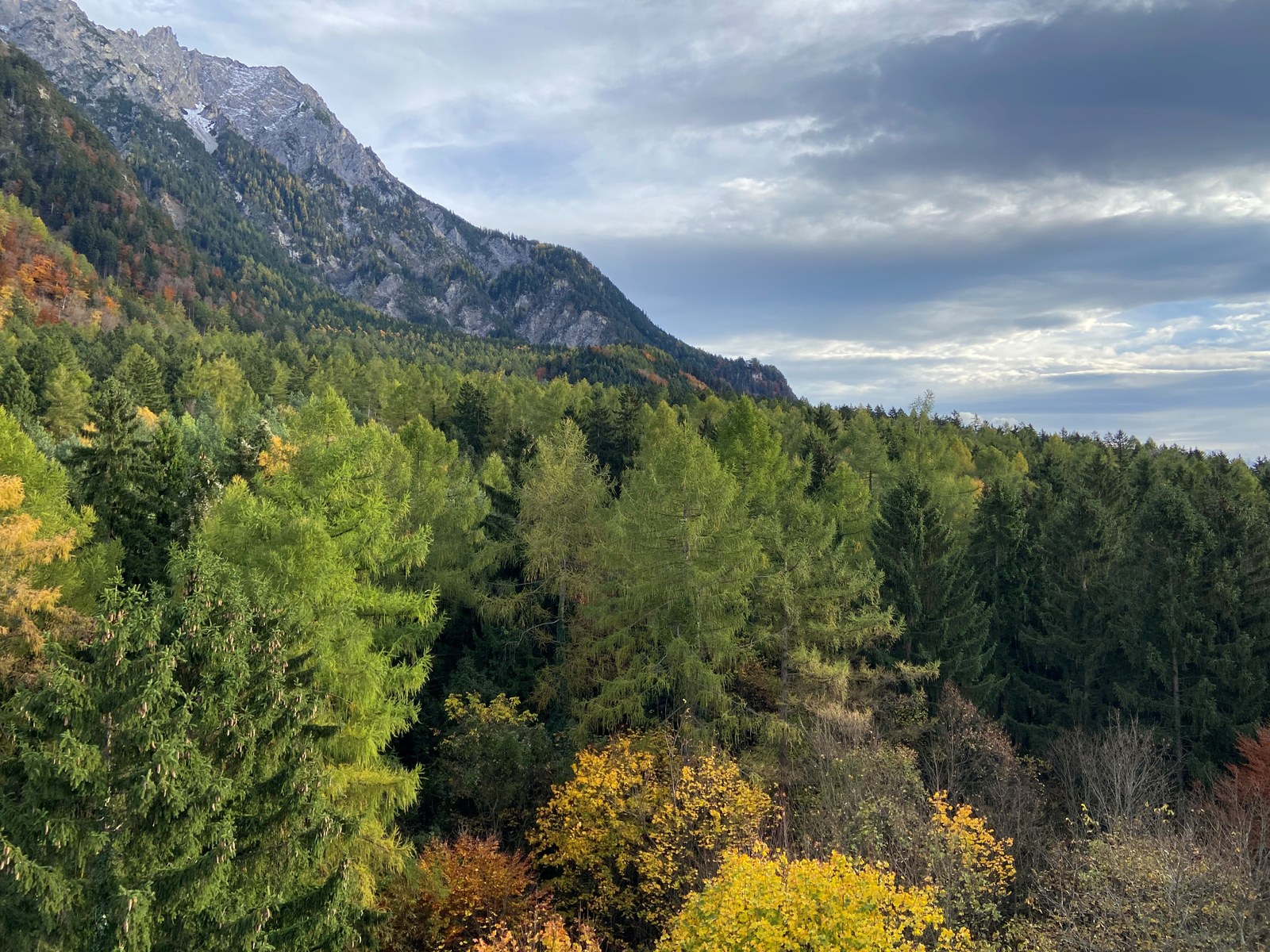
More than 40 percent of the Alpine region is covered by forests. They are not only a defining feature of the landscape, but also a cornerstone of Alpine livelihood, providing building materials, supporting biodiversity, and delivering essential ecosystem services.

CIPRA International

Do you want to know more about CIPRA International? Click here!

More articles

Alpine Convention: First Report on the State of the Alps focuses on transport and mobility
The Alpine Convention has just published the first issue in its new series of publications entitled "Reports on the State of the Alps".
Acqua alta alpina - Conference and trade fair on climate change
The organisers of acqua alta alpine invite politicians, experts and interested laymen and women to a conference in Salzburg/A from 24 to 30 October which focuses on climate change and its impact on the Alpine region.
International workshop series "Disseminating Knowledge - Networking People" New technologies give a boost to local culture and tradition
CIPRA successfully pursued its international workshop series on "Disseminating Knowledge - Networking People" with numerous events in May and June.
International workshop series "Disseminating Knowledge - Networking People" Transport and visitor management in mountain areas
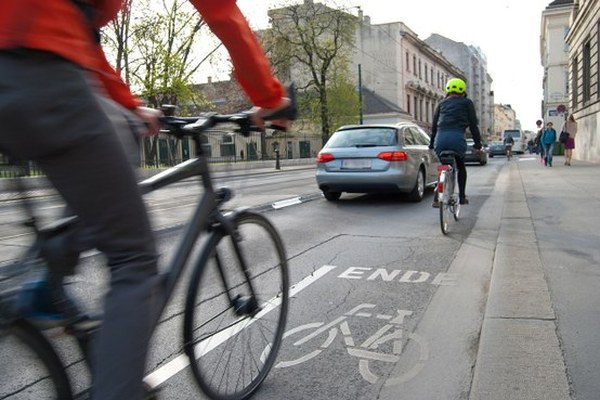
On May 10 and 11 CIPRA International and CIPRA Slovenia organised a workshop on the topic of "Transport and Visitor Management in Mountain Areas". It became clear already with the first contributions that there are no straightforward answers when it comes to the relationship between transport development and regional development. There are areas of the Alps which do well economically despite being difficult to access.

Events

  • 2026-04-07T00:00:00+02:00
  • 2026-04-17T23:59:59+02:00
  • online
Apr 07, 2026 - Apr 17, 2026
Local Peaks, Global Learning online
  • 2026-04-21T00:00:00+02:00
  • 2026-04-23T23:59:59+02:00
  • MUCEM, Marseille/France
Apr 21, 2026 - Apr 23, 2026
Transhumance as Intangible Cultural Heritage of Humanity: A Way Forward? MUCEM, Marseille/France
  • 2026-04-22T00:00:00+02:00
  • 2026-04-23T23:59:59+02:00
  • Vienna/Austria
Apr 22, 2026 - Apr 23, 2026
Growing alternative crops for new market opportunities in a changing climate Vienna/Austria
  • 2026-04-24T00:00:00+02:00
  • 2026-05-03T23:59:59+02:00
  • Santa Croce street, 67; I-38122 Trento
Apr 24, 2026 - May 03, 2026
Trento Film Festival Santa Croce street, 67; I-38122 Trento
  • 2026-05-18T09:30:00+02:00
  • 2026-05-18T16:00:00+02:00
  • Auditorium EURAC Research, Viale Druso 1, Bolzano-Bozen (Italy)
May 18, 2026
Moving around the Alps: Towards Sustainable Tourism Mobility Auditorium EURAC Research, Viale Druso 1, Bolzano-Bozen (Italy)

Projects & activities

Sustainable Alpine Tourism
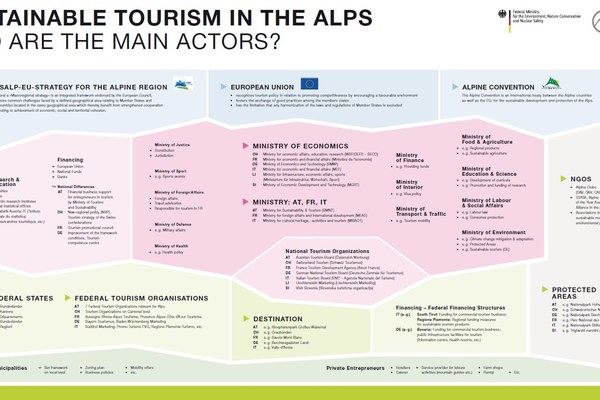
[Project completed] Sustainable tourism in the Alps is the only long-term alternative to conventional mass tourism in order to safeguard the habitat for nature and people. So far, however, there is a lack of jointly defined framework conditions on anational or alpine level for planning, promoting and implementing sustainable tourism.
Cross-border mobility
[Project completed] Tens of thousands of commuters move across national borders every day in the Alpine region. Existing traffic routes, however, were mostly built with a purely national perspective and are not geared to cross-border commuter flows. The result is overloaded roads, noise and pollution for local residents.
PlurAlps
PlurAlps
[Project completed] The Alpine area is experiencing the combined challenges of an ageing population and new migration models. At the same time, opportunities for social innovation and development arise from increasing cultural diversity and pluralism. Mountainous and peripheral Alpine municipalities and regions are specifically concerned and need technical support and new approaches to develop a welcoming culture, which should be credibly embraced and implemented by municipalities, SMEs and civil society.