
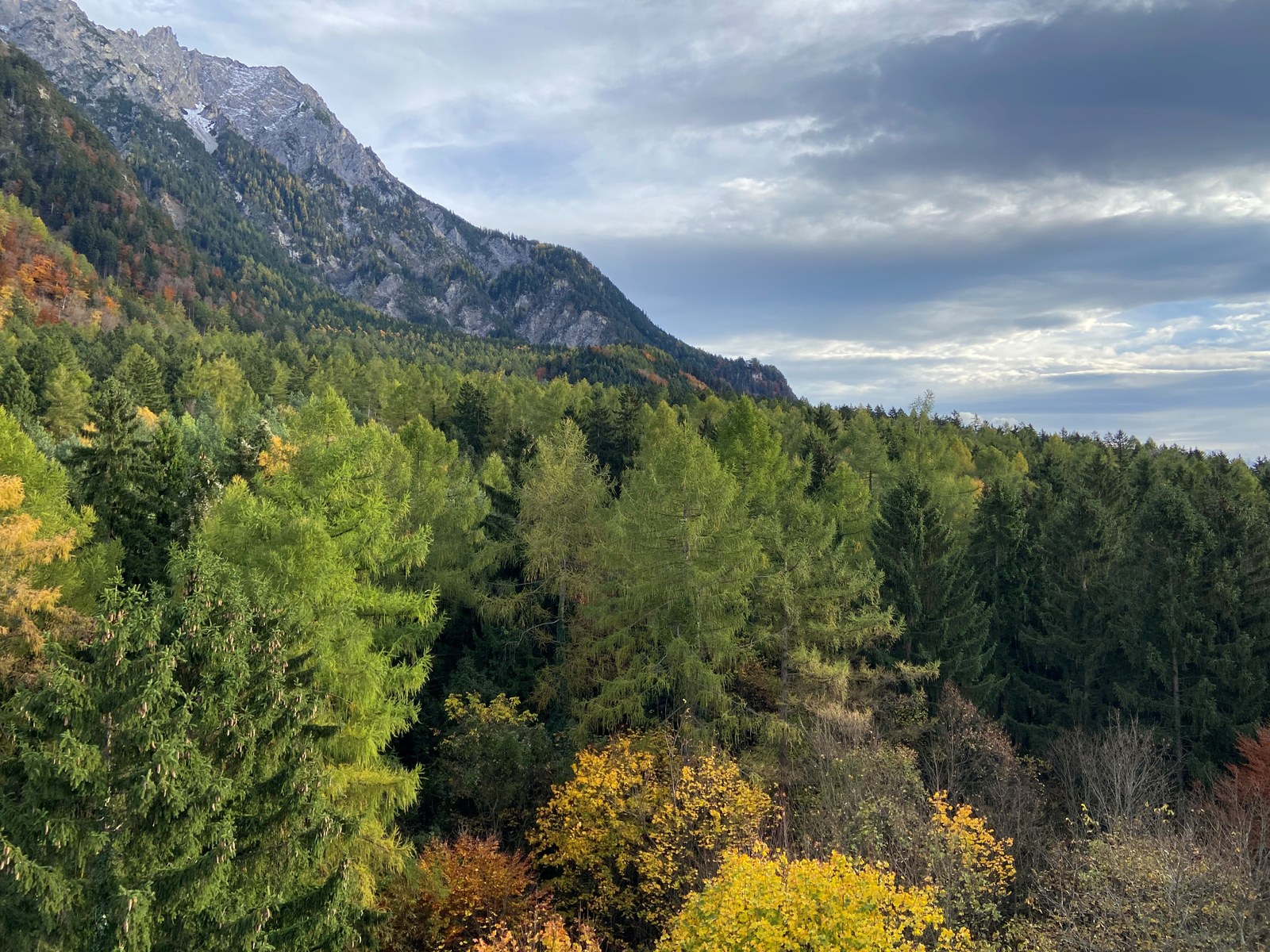
Act now to protect forests: sign the #HandsOffNature petition!
More than 40 percent of the Alpine region is covered by forests. They are not only a defining feature of the landscape, but also a cornerstone of Alpine livelihood, providing building materials, supporting biodiversity, and delivering essential ecosystem services.

Who is CIPRA?
Find out more!
More articles
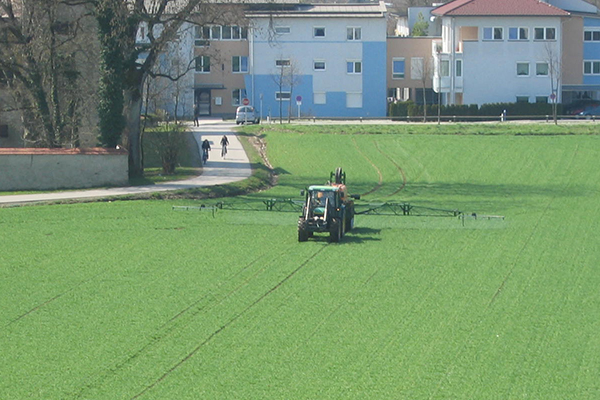
Pesticides: a tug of war
Pesticides damage the environment, threaten useful species like bees, pollute the water in the Alps, while some are suspected of causing cancer. They nevertheless appear to be indispensable in conventional agriculture.
Oh...
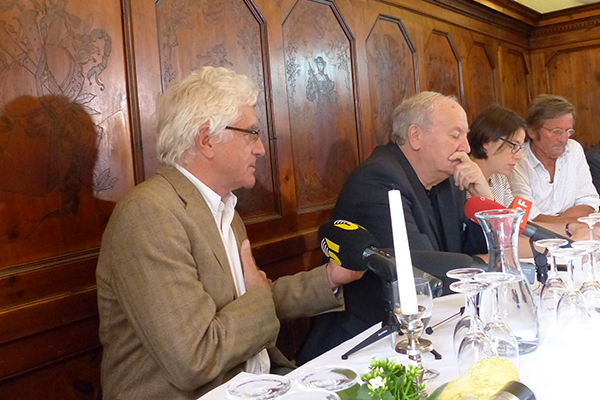
Reliable partnerships right across the Alps
CIPRA Austria, CIPRA Germany, CIPRA South Tyrol. Right now the cable car industry is all about superlatives. Indeed, the “world’s greatest glacier ski area” is to be created by linking up the ski resorts in the Austrian Pitztal and Ötztal valleys.

Spray-painting for environmental protection
CIPRA South Tyrol. Urban Green – How does the young generation imagine its city of the future?
Events
|
Alps in Motion: new Alpine-wide Day of Action | alpswide | |
|
Symposium 2: Vernacular Buildings in the Anthropocene | Austrian Academy of Sciences, Vienna (Austria) |
Projects
CIPRA International
Ars vivendi
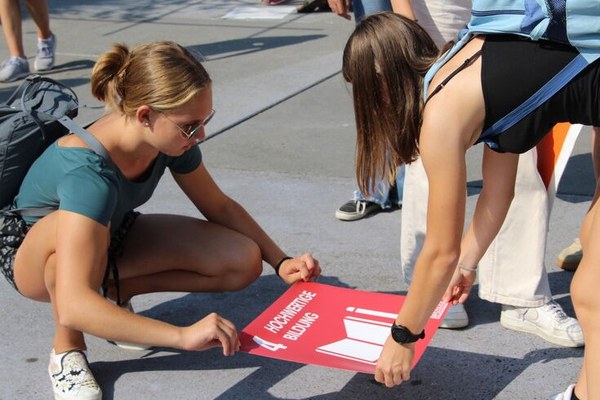
[Project completed] How can the Sustainable Development Goals (SDGs) be learned and taught? In the project «ars vivendi» a didactic tool for the Global Agenda 2030 is being developed.
CIPRA Deutschland | CIPRA France
DINAMO
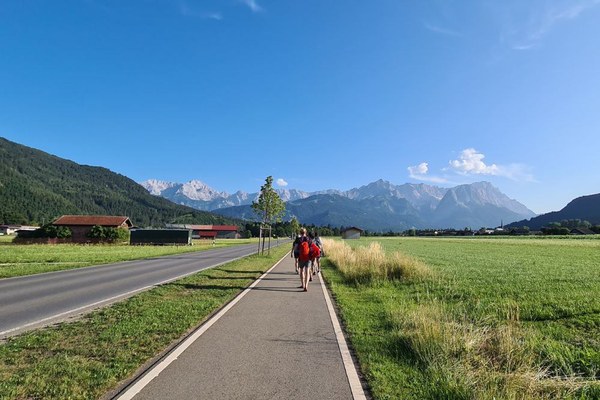
[Project competed] In many rural areas of the Alps, public transport services are inadequate for daily needs and tourism development. In some remote mountain regions, this is one of the reasons why there is a considerable amount of car traffic, especially on weekends, public holidays and during rush hours. There are various reasons for this, including the high cost of public transport solutions due to low population density, inadequate public transport options (such as timetables, accessibility, connectivity, travel time and costs) and political and social preferences in favour of private motorised transport.

CIPRA International Lab
LISTEN
The LISTEN project is analysing the use of space in suburbs on the basis of three pilot regions in Belgium, Sweden and Austria. CIPRA Lab GmbH is working together with partners from research and regional stakeholders.